Rewards & Referrals
My role
Sole UX Designer leading end-to-end design, partnering with marketing designers on visual assets.
The team
3 Designers (1 UX, 2 Marketing), 2 PMs, 2 Growth Managers, 4+ Engineers, QA, Copywriter.
Overview
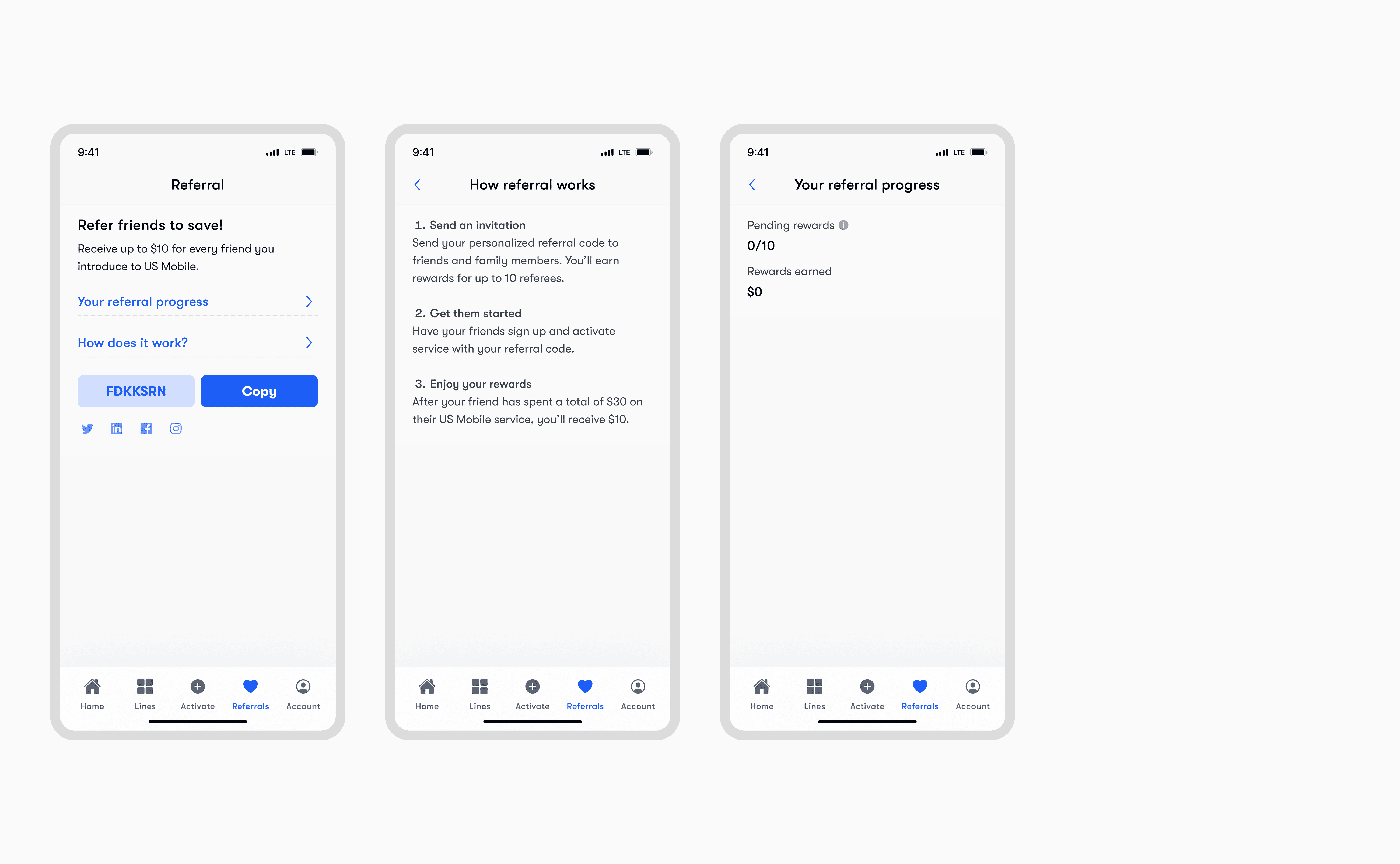
Between 2023 and 2025, the referral experience evolved from a simple standalone page into a structured, scalable Rewards Center. While referral has long been a key growth channel for US Mobile, the previous experience lacked clarity, visibility, and system cohesion. As the sole UX designer, I led multiple releases to redesign referral flows, introduce reward states and tracking, and reorganize the experience into a centralized Rewards Center, improving usability, transparency, and long-term scalability.

Impacts
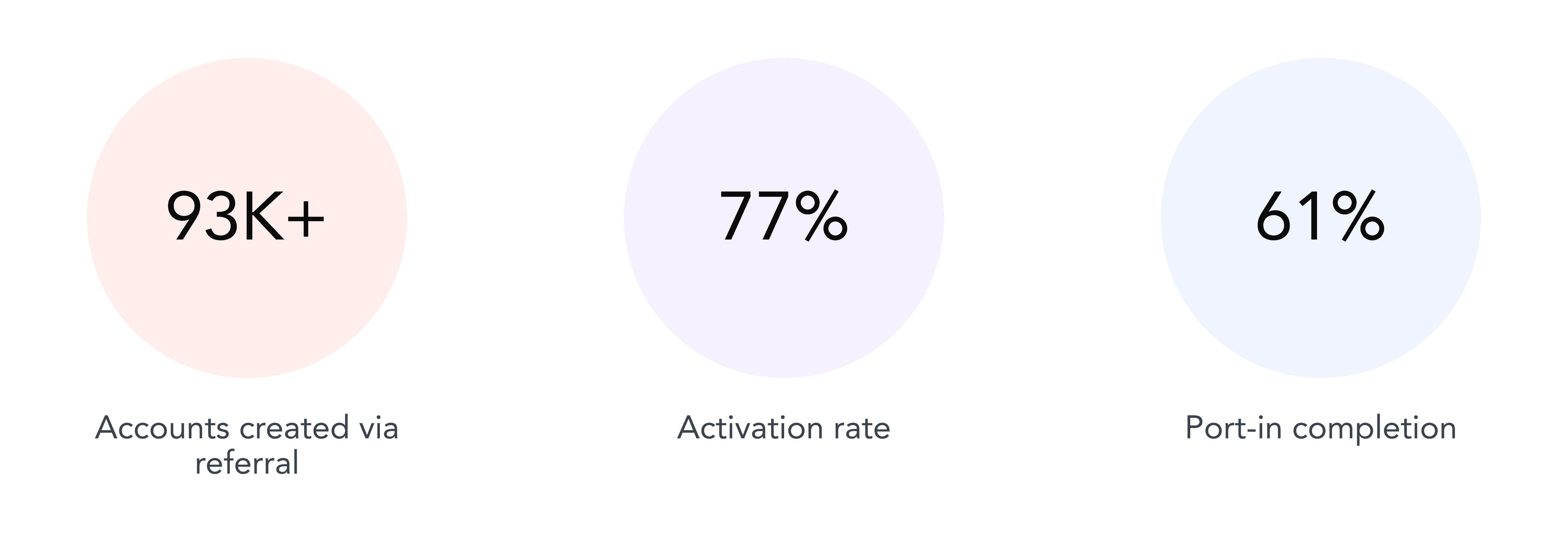
The redesigned Rewards Center improved referral adoption while maintaining strong downstream conversion.
Design Highlight 1
Redesigning the referral experience
Problem
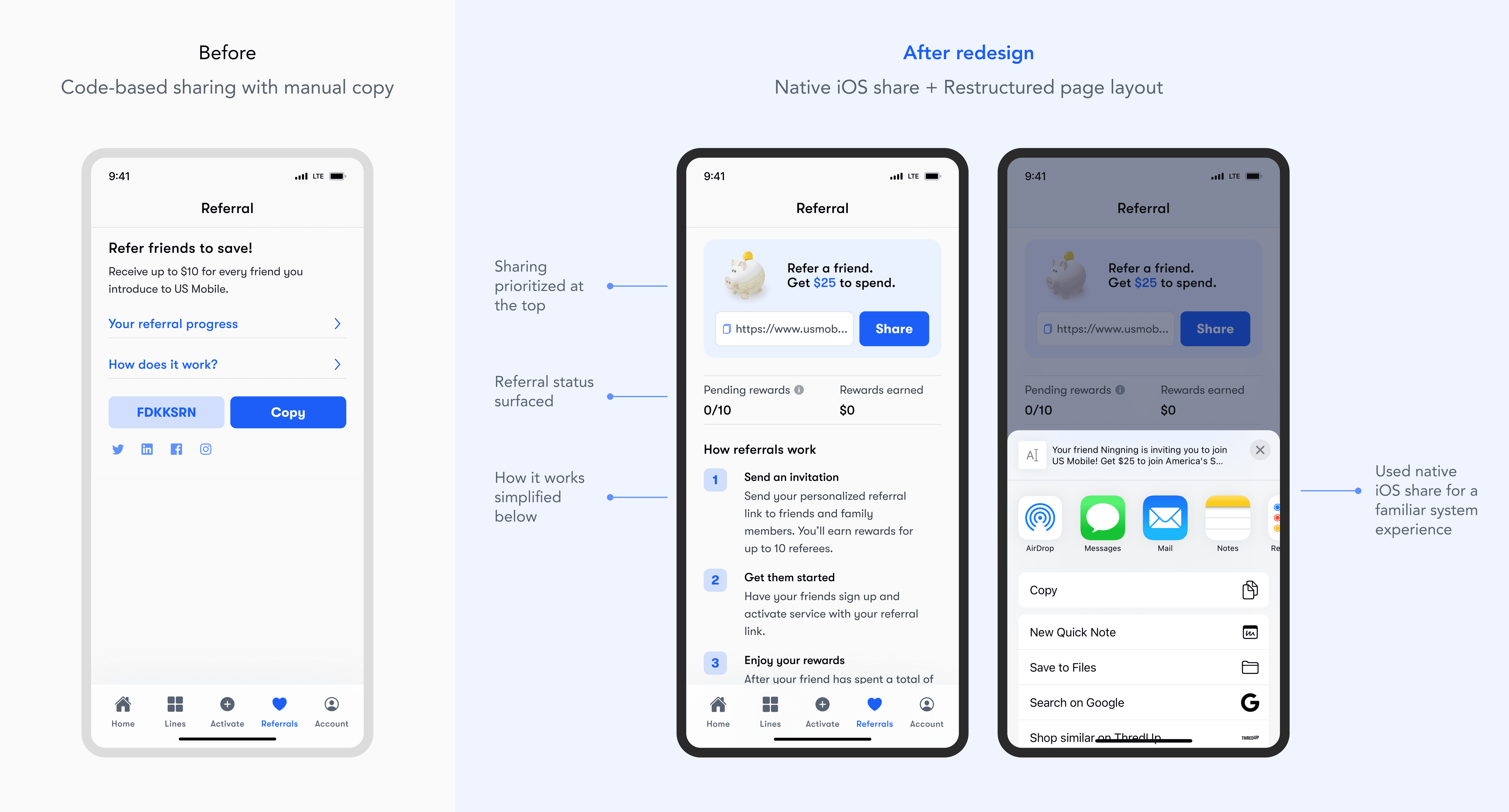
Users had to manually copy referral codes and switch apps to share them, creating friction. Key actions and information were not clearly prioritized, which reduced visibility and engagement.
Approach
We transitioned from static referral codes to personalized referral links to enable seamless sharing and measurable attribution. I also restructured the page hierarchy to surface primary actions, clarify information, and create a more intuitive and engaging experience.
Design Highlight 2
From Referral Page → Rewards Center
The shift
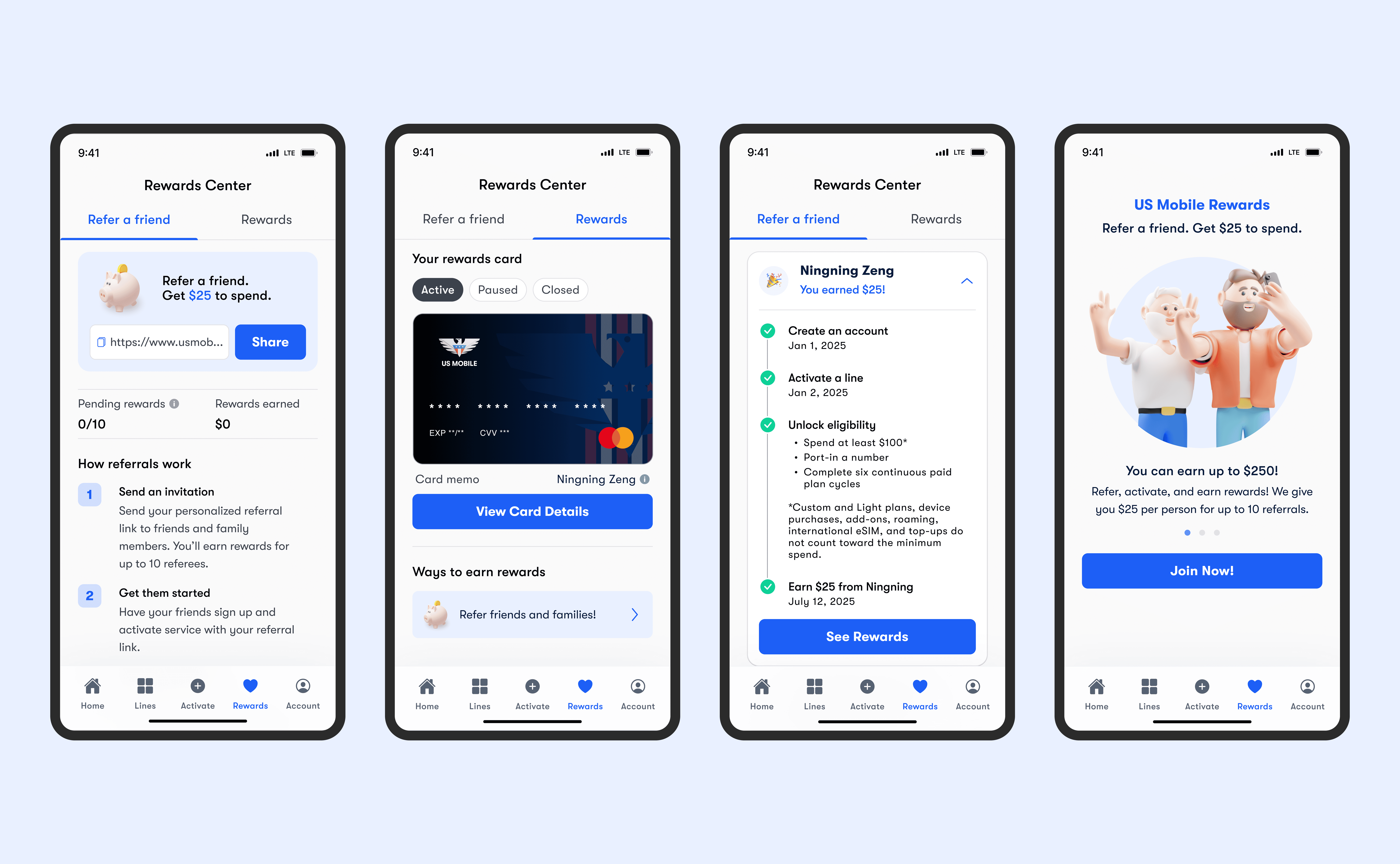
As referral incentives evolved from service credits to higher value rewards, the experience needed to grow beyond a single feature. What started as a referral page became a centralized Rewards Center, supporting multiple ways to earn beyond referrals. This shift required rethinking the structure and mental model, clearly separating how users earn rewards from how they access and manage them.
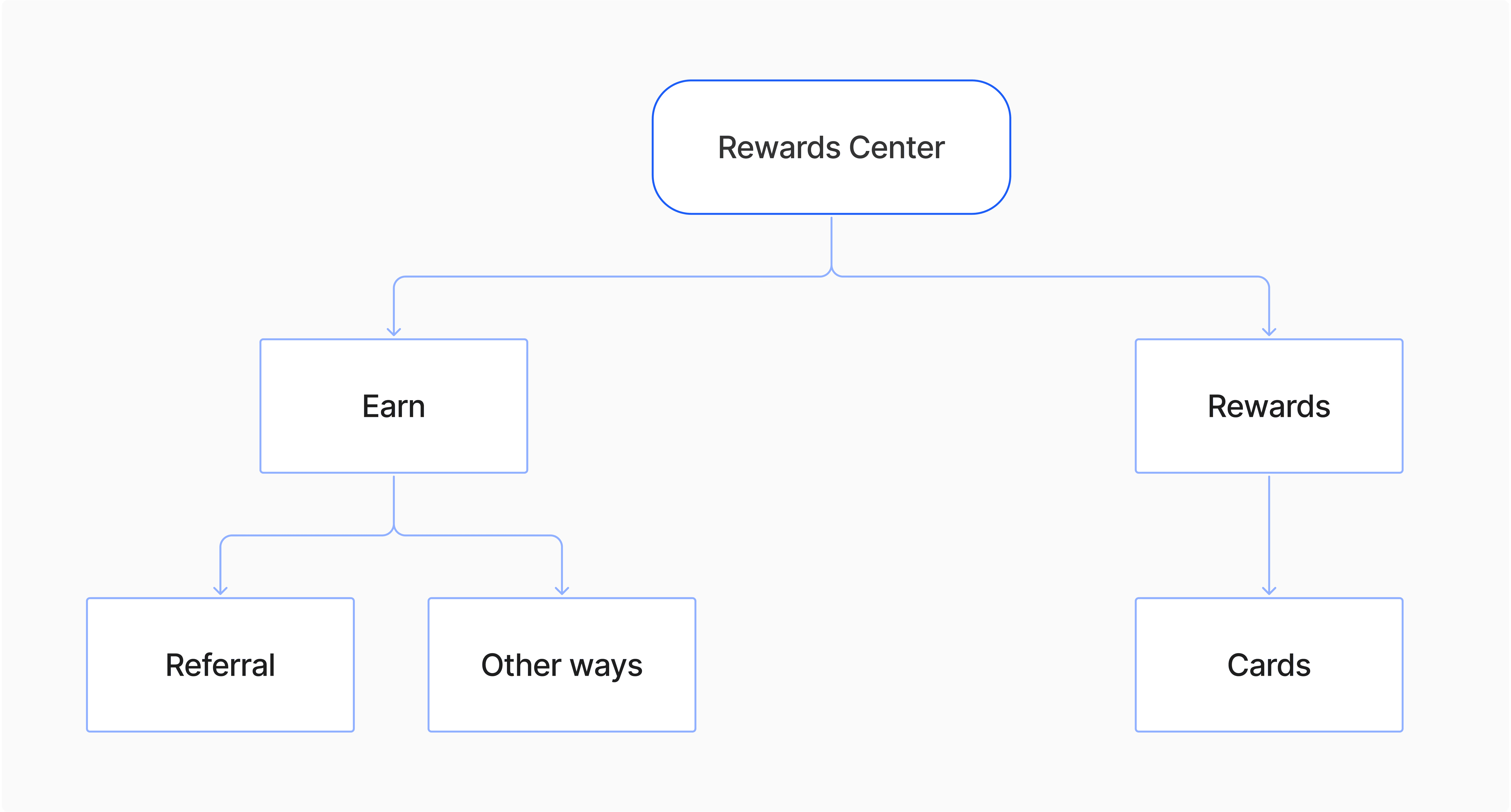
Structuring the Rewards Center
With this expanded vision, I explored several structural directions to evolve the referral page into a scalable rewards system. The main challenge was designing a layout that could support future earning programs while keeping referral clear and easy to access. I tested different ways of organizing earning opportunities and reward visibility, balancing long term flexibility with simplicity.
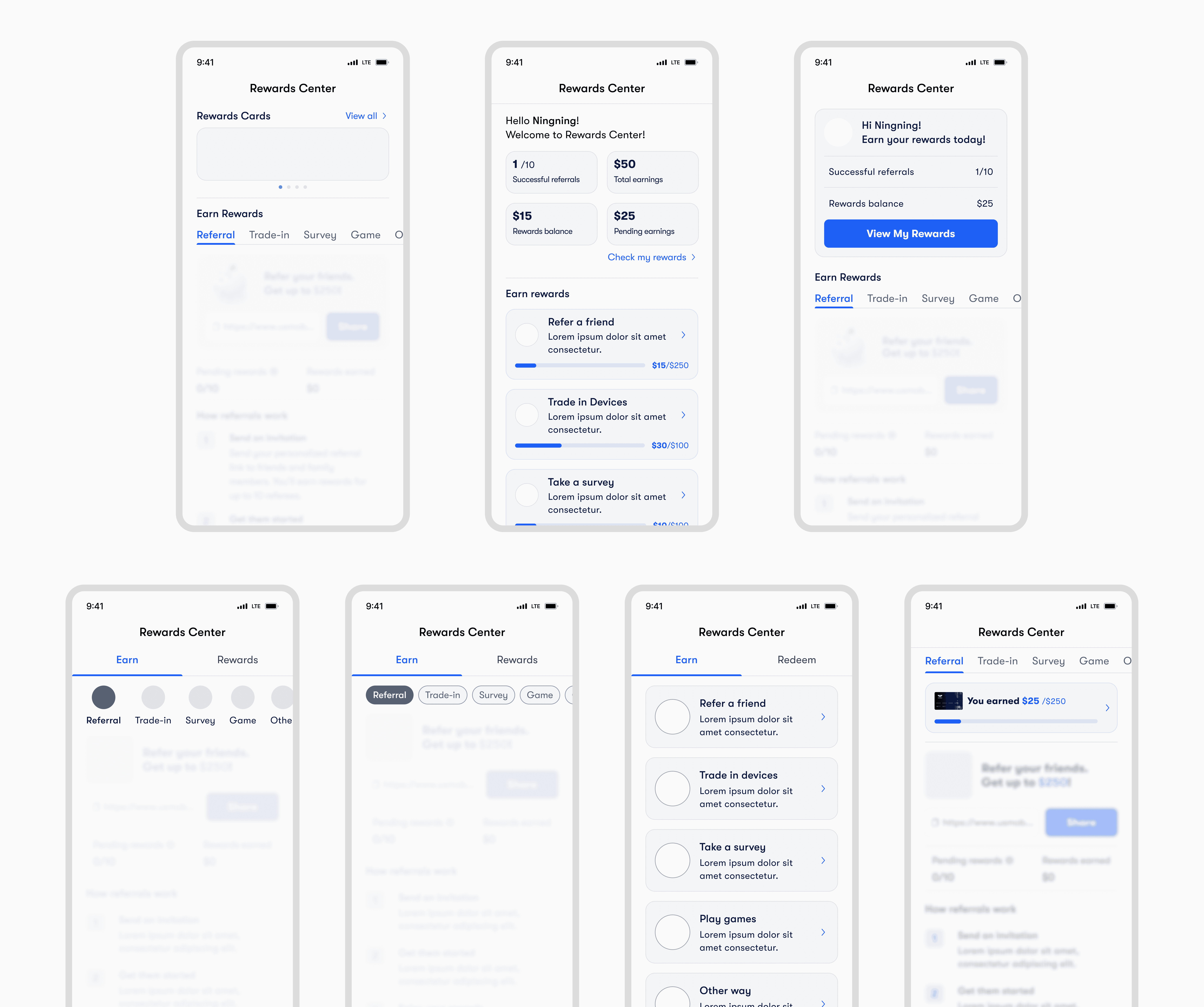
Balancing now and future
Although the long term roadmap included additional earning programs, the MVP centered on referral. At the same time, rewards are only issued after a six month qualification period, meaning many users would see a zero balance for an extended time. To balance this, we introduced a two tab Rewards Center: Refer a friend to focus on earning actions, and Rewards to manage earned value when available. This structure kept referral as the primary driver while ensuring the system could scale over time.

Design Highlight 3
Designing the Rewards Card System
Multi-state experience
Introducing cash rewards required building a wallet-like card system from scratch. The experience had to support users with no cards, one or multiple active cards, and paused or closed states, while keeping access to card details, transactions, and usage rules intuitive. As the sole UX designer, I worked closely with the product manager to translate evolving third-party requirements into a clear and scalable rewards experience.
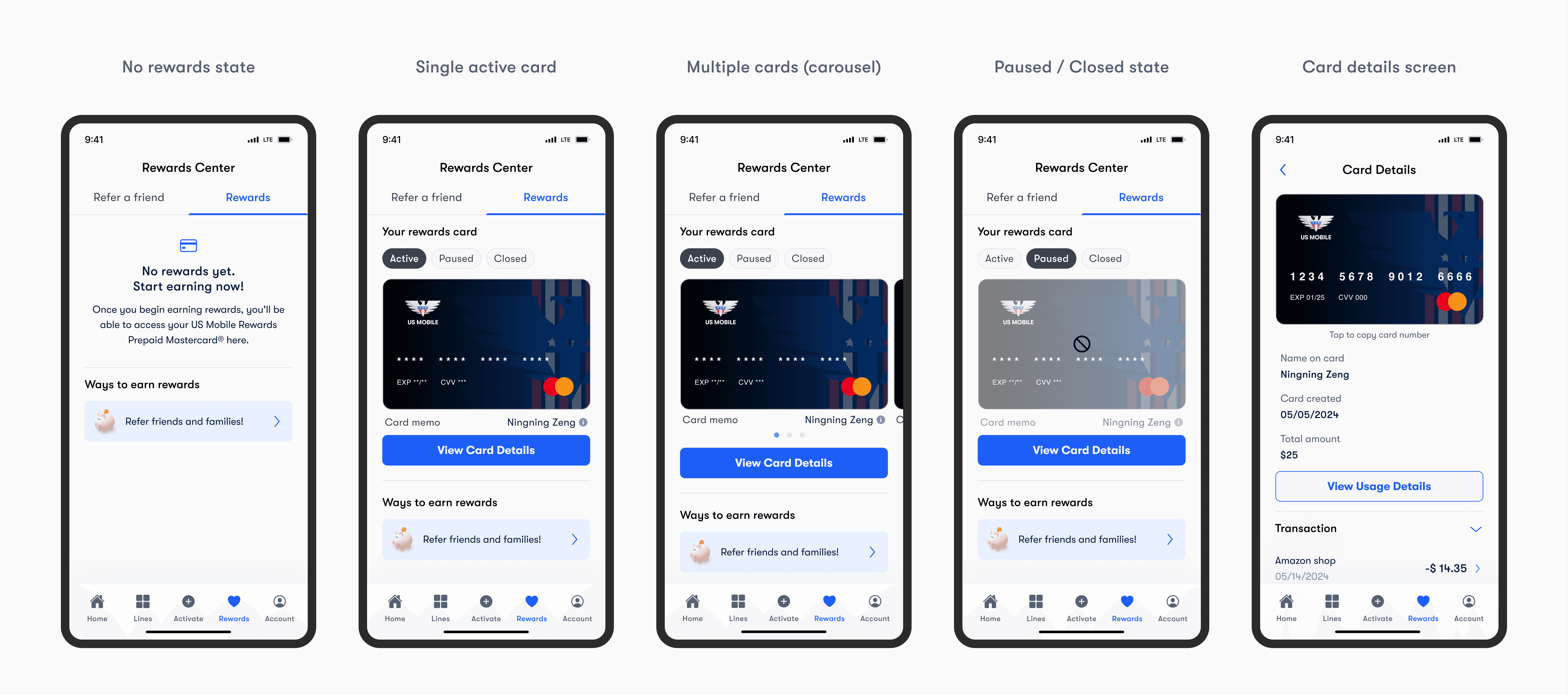
Compliance and friction
Because the rewards card was issued through a third-party partner, users needed to confirm their identity before activating a card. Close to launch, we were asked to add this verification step before users could access the rewards experience. Given the tight timeline, we first placed verification at entry to ensure compliance. After reviewing the requirement more closely, we confirmed that identity confirmation was only necessary before card issuance, not for referral. We then adjusted the flow, moving verification into the Rewards tab so users could continue referring friends without interruption, while still meeting compliance when they chose to access their card.
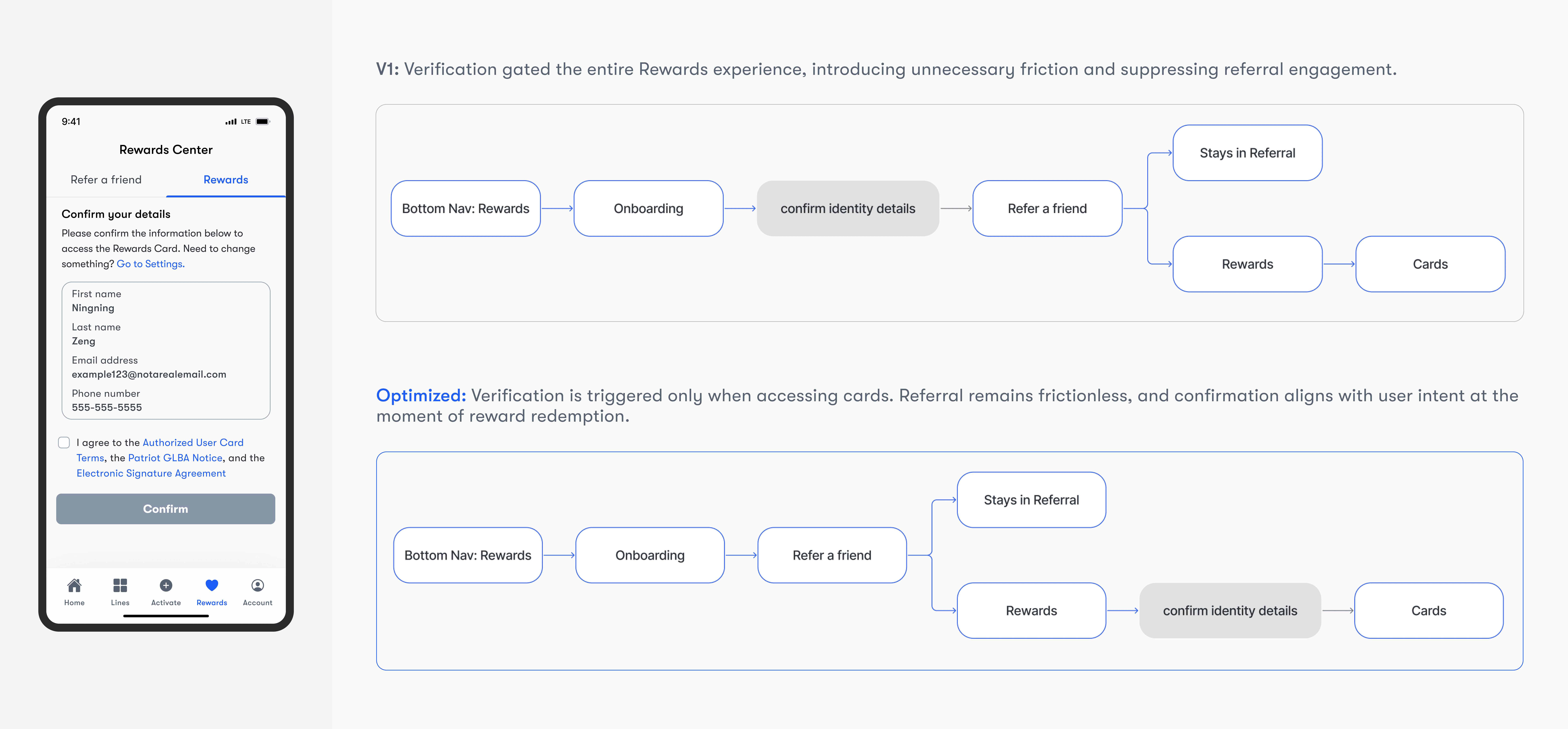
Design Highlight 4
Improving referral transparency
Opportunity
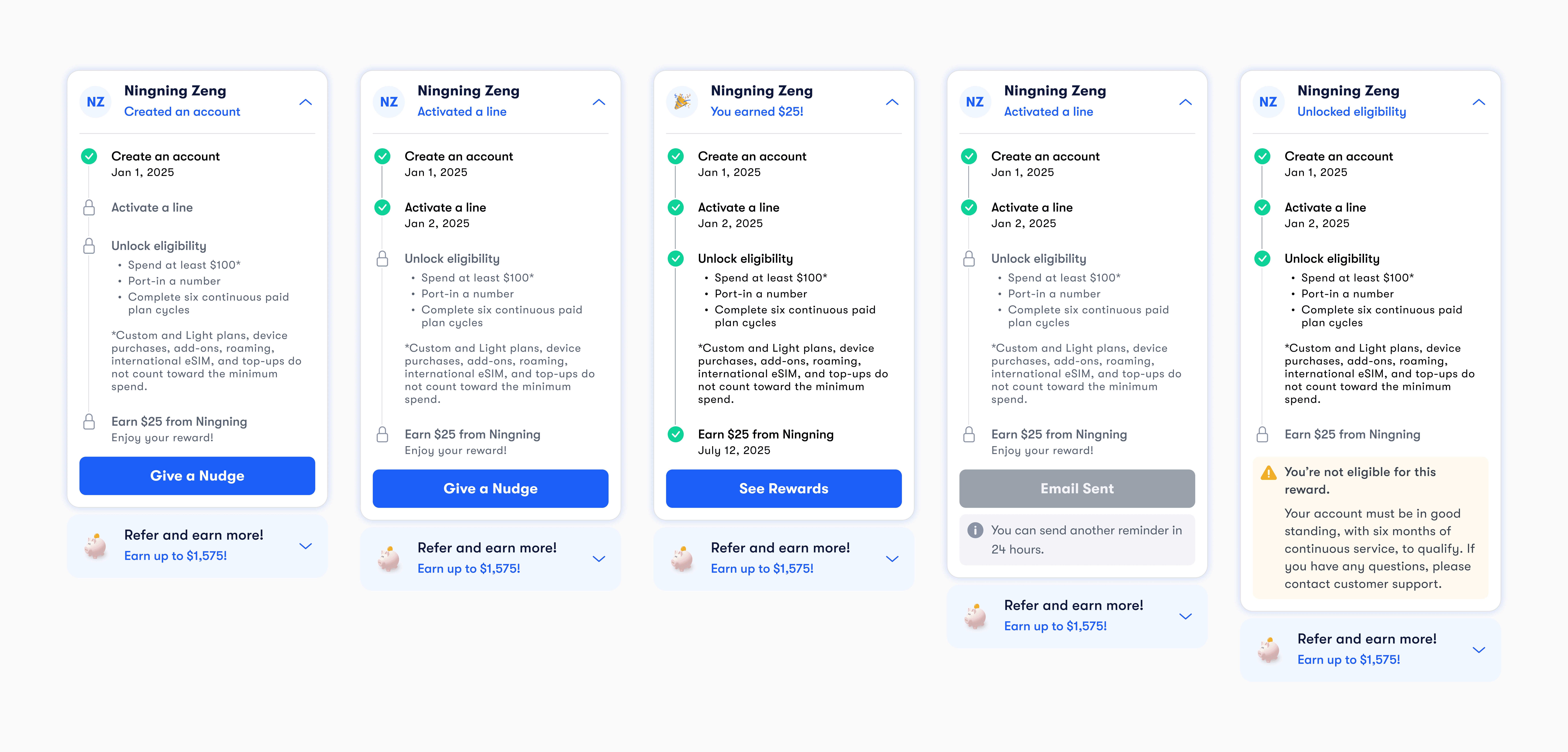
During our first company hackathon in early 2025, I proposed improving referral transparency. While sharing and rewards were clearly structured, users lacked visibility into when and how their referral rewards would be issued. We introduced a referral tracking experience to bridge this gap and make reward progress more transparent.
From concept to priority
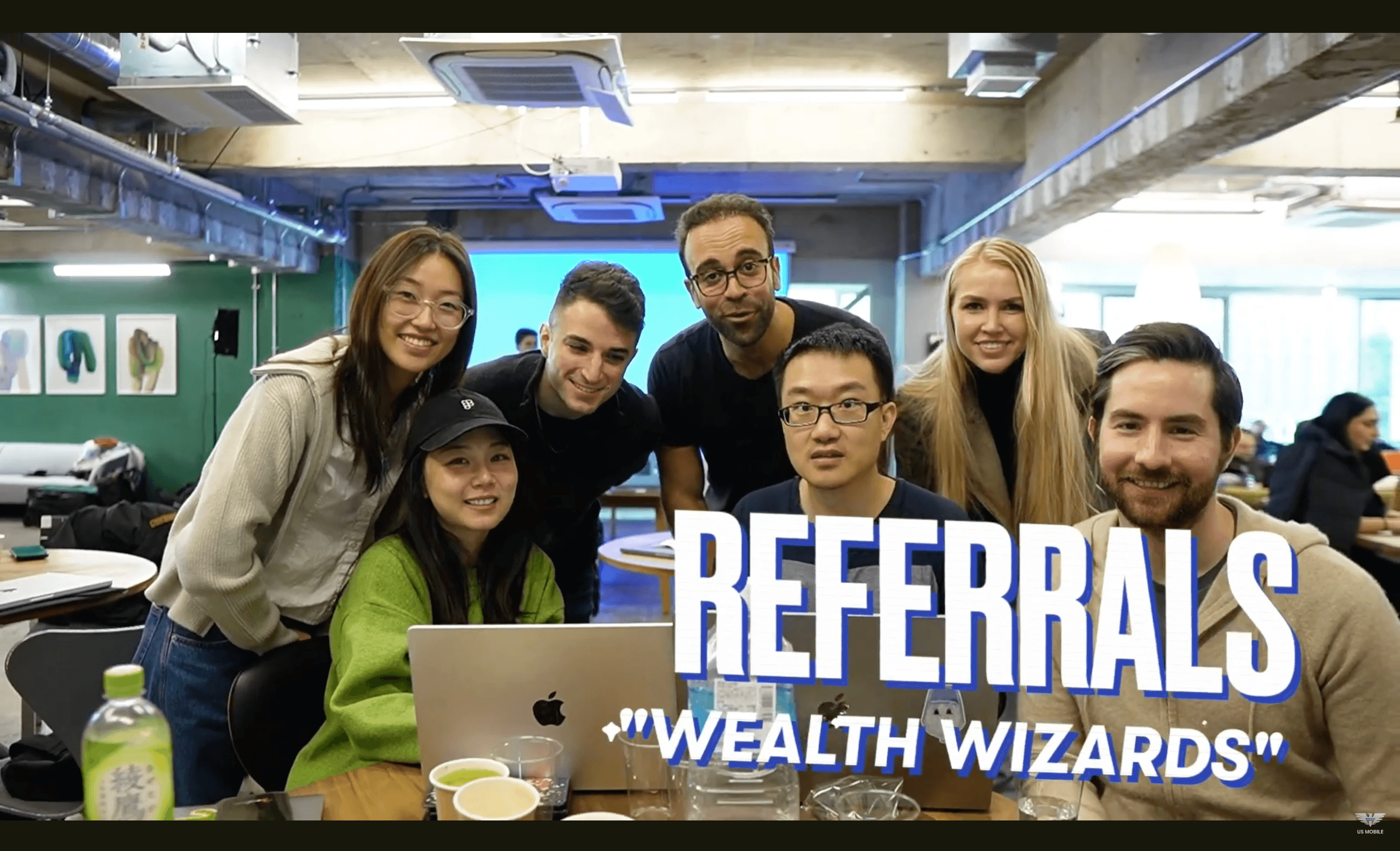
Within a three-day cross-functional sprint, our team defined the scope, designed, built, and demoed the feature. The response from leadership was strong, and the concept was later prioritized for production. The tracking system has since been introduced, improving clarity around reward timing and progress.
Key takeaways
Shaping clarity instead of waiting for it
Like many cross-functional projects, this initiative evolved over time, with shifting scope and open questions. Rather than waiting for every detail to be defined, I learned to move forward by researching comparable systems, gathering user insights, and testing possible directions. This helped me contribute proactively while staying aligned with stakeholder input. I realized that clarity is often shaped through action and collaboration, not just handed down at the start.
Designing thoughtfully within constraints
Working with third-party and compliance requirements taught me that constraints are not always binary. Some requirements are fixed, while others allow room for interpretation when we align on shared goals. I learned to ask deeper questions about intent: understanding what was truly required versus how it was initially proposed. Through open discussion with Product and partners, we were able to meet compliance needs while refining the experience to reduce friction.